


If you were ever curious about making fermented drinks, you would have encountered the word ‘bug,’ which is a Western colloquial word for microbes. Ginger bug is the most popular, which is a slurry of sugar, water, and ginger pieces.
How does it work?
Bacteria are all around us. When we make the bug, the bacteria and yeasts in our kitchen and on the skin of the ginger will feed off the sugar in the slurry and grow or multiply. This produces carbon dioxide as their metabolic waste product. This stage is called the first fermentation.
Once the bug is active, it is then mixed as soda starter into fruit juices, sweet tea, and other sugary liquid for a second fermentation. At this stage, the microbes will again consume the sugar and create carbon dioxide as their metabolic byproduct. When the gas created fills up the container, it gets pushed back into the liquid and the bubbles stay in the water. This is how we get carbonation in homemade fermented sodas, and why we need to make our second ferments in airtight containers if we want that fizz.
But first let’s grow some bug.
Trying out turmeric
Making fermented sodas regularly at home, I decided to try using turmeric root instead of ginger. There had been a mistake in my order for turmeric root (one kilo was sent instead of 100 grams), and I needed ways to use them up beyond hot turmeric calamansi tea and homemade curry paste.

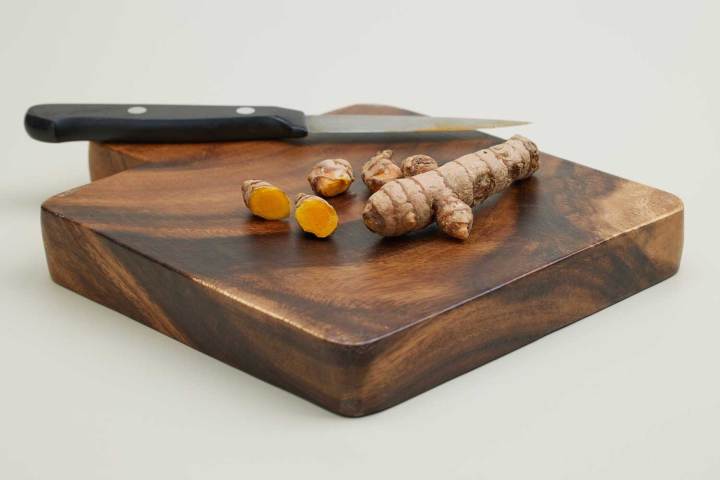
Turmeric bug is not as popular as ginger bug, but I figured there was enough similarity between both roots to try the switch. Instead of ginger’s spiciness and pink or pale straw color, the turmeric bug or soda starter will have the earthy bitterness and bright golden yellow color that turmeric is known for.
If you’re not a fan of bitter flavors, do not worry. Because this is only the starter, you can use another flavor base for your second fermentation such as pandan or kamote tops. Just use in place of the pandan starter in the recipe.
Top tips
- Use organic turmeric root. We need the beneficial microbes on the skin and flesh of the turmeric. This means we cannot use turmeric powder to make the bug, but we can use it for the second fermentation.
- Use a large jar with a lid. By large we mean one where a cup of water is just a quarter or a third of the entire size of the jar, like when we made our pandan bug. We need the large headroom since we are sealing the jar during regular feeding.
- Some prefer to use hot water when dissolving the sugar. Just make sure to let the mixture come to room temperature before adding the turmeric.
- Do not add heaping spoonfuls of sugar. Too much sugar overfeeds the bug and makes it sluggish (much like people when they overeat).
- While bubbles might begin to appear on day 2, we recommend feeding the bug for at least 3 to 4 days so that you have a robust starter.
Ingredients
Day 1
- 1 cup (240 ml) water
- 2 scant tbsp (approx. 24 grams) sugar
- 1 Tbsp + 1 tsp (approx. 24 grams) turmeric (do not peel)
Directions
1. Slice the turmeric into smaller pieces. You can also mince or grate it.

2. Add the turmeric slices into a jar followed by room-temperature water.


3. Next, add the sugar. This is coconut sugar but feel free to use granulated sugar of choice.

4. Mix well until dissolved. You can also seal the jar and shake it to help dissolve the sugar.

5. Seal the jar with the lid and set aside.
Feeding days (Days 2 to 5)
- Water
- Sugar
- Turmeric
6. Everyday over the next several days, add 1 tsp chopped turmeric, 1 tsp sugar, and 2 Tbsp water to the mixture.

7. Stir with a wooden spoon or chopstick. Seal and repeat until you have vigorous bubbling activity.

You can now use this very active turmeric bug to create your soda! The typical ratio of bug to sweetened liquid (e.g., fruit juice, tea) is 1:16. Again, the yeasts will consume the sugar so don’t skimp unnecessarily but do not make it overly sweet as to make the yeasts sluggish.
You can keep the leftover bug in the fridge, where you only need to feed it a teaspoon each of sugar and minced turmeric once a week. When you’re ready to make your fermented soda, just wake it up!
Celebrate fermentation in the Philippines and don’t miss out on updates! Follow us on Instagram and Facebook.