

While noodles and pasta can be very similar, they are technically not the same. All noodles are pasta but all pastas are not noodles. Traditionally, pasta is typically made from durum wheat semolina, which gives it a firm, chewier texture. Noodles can be made from a variety of flours, including rice, buckwheat, and wheat, resulting in a softer, more slippery texture. These days, however, the lines seem to further be blurred when we see pastas and noodles made with chickpea, lentils, beans, and root vegetables like sweet potato and konjac.
Banking on we can use them interchangeably, here are 7 versatile recipes that work with any noodles or pasta you have on hand. These dishes feature ferments from Starter Sisters: Kimchi, Fermented Banana Ketchup, Preserved Lemons, Fermented Garlic, and Burong Mustasa. And if we’re being cheeky, you can use our Simple Fermented Hot Sauce before service for a bit more heat!
1. Kimchi Mac and Cheese (recipe)

The combination of kimchi and cheese on any starch ticks all the boxes: salty, creamy, funky umami, with a bit of heat, and filling! While this dish may taste complex, it is quite easy to make. For all our vegan friends, this is a dairy-free version.
2. Spaghetti Napolitan (recipe)

Japanese ketchup spaghetti, also known as Napolitan, shares similarities with Pinoy spaghetti, as both feature ketchup as a key ingredient in the sauce. Traditionally, Napolitan uses tomato ketchup, a choice that originated in 1950s Japan when tomato sauce was scarce. In this recipe, Mabel gives it a Pinoy twist by swapping tomato ketchup for fermented banana ketchup, adding a uniquely sweet and tangy flavor that’s distinctly Filipino.
3. Creamy Lemony Pasta (recipe)

This creamy lemony pasta recipe is a riff on the preserved lemon pasta from Bon Appétit using an easy vegan sauce made of soaked cashews, fermented lemons and fermented garlic. Great comfort food at any time of the year!
4. Kimchi Misua (recipe)

Misua is Mabi’s go-to-noodles when making hot noodle soups or stews. These delicate wheat noodles are quick cooking and plumps up in the broth nicely. Inspired by kimchi jjigae, this dish retains the spicy and sour umami that the Korean stew is known for. You will be delighted with the diverse textures of mushrooms, tofu, and root vegetables in this recipe.
5. Easy Pasta Salad (recipe)
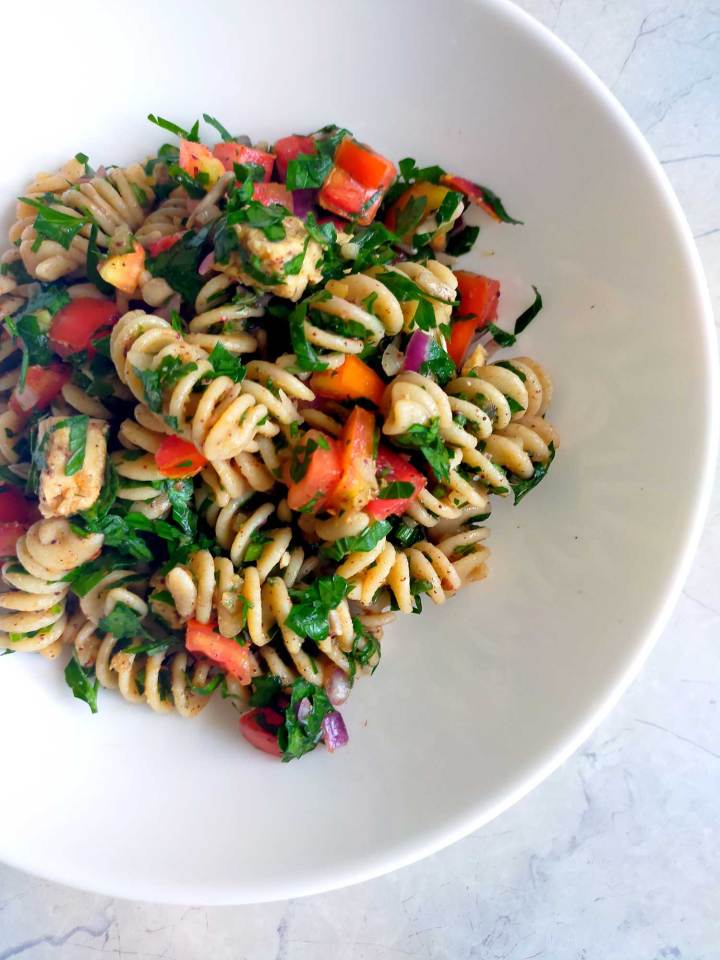
This oil-free pasta salad is a simple and delicious way to enjoy fermented garlic raw, allowing you to benefit from its fermentation without being overpowered by its bold flavor. The preserved lemon adds a burst of lemony umami and aromatic complexity, elevating the dish. For a heartier meal, toss in tempeh, tofu, or mushrooms. Serve it chilled or at room temperature, specially appreciated during hot and humid days.
6. Noodles Tossed in Peanut Sauce with Burong Kamias (recipe)

Traditional recipes for peanut sauces actually call for grinding peanuts, but this is not one of them. We’re practical in more ways than you might think so peanut butter is it in making this sauce. Burong Kamias in peanut sauce proved to be one of those things that in theory may work, and it did, wonderfully! It’s one of our recipes that do not use heat so we keep those good-gut things in the ferments alive!
7. Kimchi Sotanghon Salad (recipe)

This recipe’s inspired by cold kimchi noodle salad called bibim guksu. While we used sotanghon noodles for this recipe, you can use the thin wheat noodles called for in the traditional recipe or even quick-cooking angel hair pasta. Garnish with shitake mushrooms and pickled radish, eat it wrapped in lettuce leaves or nori seaweed, or pair it with a cup of hot vegetable broth.
Whether you’re a kitchen pro or just starting your culinary journey, we hope you give these recipes a go. For even more inspiration, be sure to explore our recipe archives.
If you find the free content we’re sharing useful in your fermentation journey, we would welcome some coffee!
You can also share your fermentation journey with us by tagging us on Instagram and Facebook with your questions. Be the first to hear about our workshops and launches by subscribing here.